
First decide whether you want to attract users through ads or earn money by showing ads. In the first case, you are an advertiser; in the second, a publisher. Advertisers track CPI, the cost per install. Publishers track eCPM, revenue per thousand ad impressions. These figures measure different sides of the transaction.
We checked official product descriptions on September 11, 2026. The comparison explains what each option is for; it does not rank campaign performance. Illustrations may show older interfaces.
1. Google AdMob: publisher monetization

AdMob is a starting point for developers who want in-app ad revenue. It describes ad formats, mediation, bidding and reporting. Check how you will add its software development kit (SDK), handle consent and place ads without interrupting the app's main task.
Do not read a projected eCPM as a guaranteed payout or confuse an AdMob publisher account with a Google Ads acquisition campaign. Revenue depends on the app, audience, demand and implementation.
2. Meta Audience Network: publisher access to advertiser demand
Meta Audience Network describes monetization for app publishers with formats such as rewarded, interstitial, native and banner ads. Check current platform eligibility and mediation setup for the actual app.
It is not the same task as buying app-install campaigns across Facebook and Instagram. Use the relevant advertiser workflow when acquisition is your goal.
3. InMobi: select the product for your role
InMobi provides tools for both advertisers and publishers. Choose the product that matches your role before comparing features or prices.
Ask about inventory, supported regions, measurement and contract requirements for the chosen product. A large total audience may still include few people who need your app.
4. AppLovin: distinguish acquisition and monetization
AppLovin offers advertiser and publisher products. Evaluate its acquisition tools for a customer-growth objective and its monetization tooling for an ad-funded app.
Keep campaign cost, publisher revenue and mediation performance in separate reports. Test actual audience quality and customer experience rather than choosing from a generic eCPM league table.
5. Unity Ads: gaming-related acquisition and ad monetization

Unity Ads describes both user acquisition and monetization workflows. It is worth examining for games where supported ad formats fit the product experience.
For rewarded placements, clearly define the reward and failure behavior. Evaluate revenue alongside retention and task interruption; an ad that earns more per view can still damage the overall product.
6. Apple Ads: acquisition on the App Store
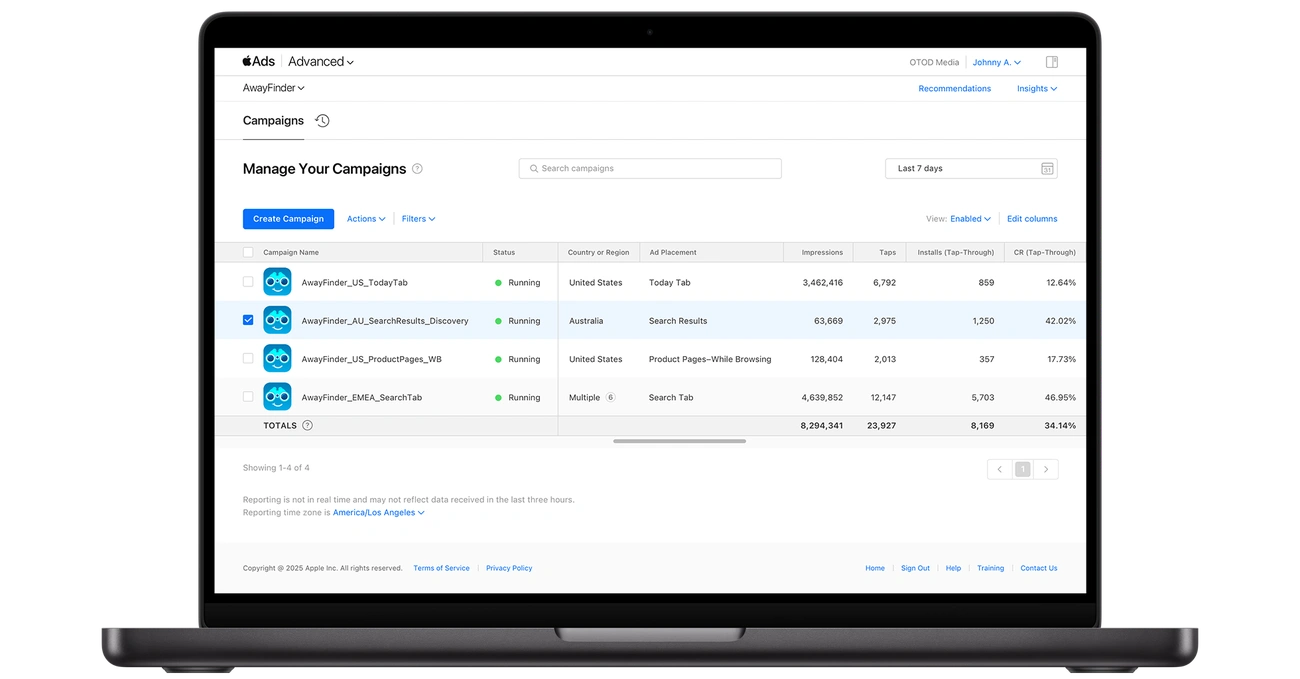
Apple Ads is an acquisition option for reaching people within App Store advertising placements. It is not a network that pays you for showing ads inside your app.
Choose the relevant campaign, audience and destination. Where a custom page fits the message, use the custom product page setup guide. Alongside acquisition cost, track whether people use the app and eventually pay. Allow time for trials to end before judging payments.
7. Smaato: now review the Verve destination
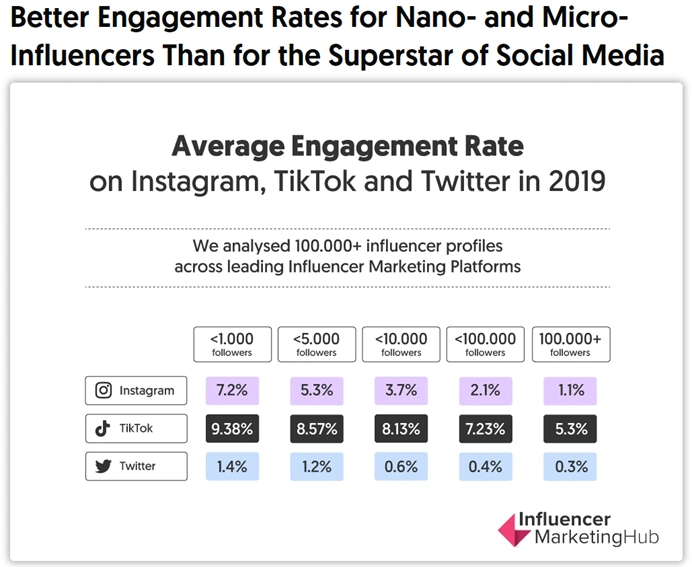
The Smaato site now redirects to Verve's publisher marketplace. Treat that as the current product destination rather than assuming Smaato and Verve are two independent networks with separate historical terms.
Confirm the migration, contract and integration implications for your account before making a change. Older payout and minimum-spend figures are not current evidence.
8. Zoomd: managed acquisition evaluation
Zoomd presents a mobile user acquisition offering. Evaluate it when you need help coordinating acquisition rather than simply adding an ad placement inside your app.
Ask for the actual scope, channels, minimum commitments, reporting access and attribution definitions. Judge the service by the work it takes off your team and the customers its campaigns bring. Give new users enough time to try the app before evaluating results.
9. Verve: identify the marketplace and integration
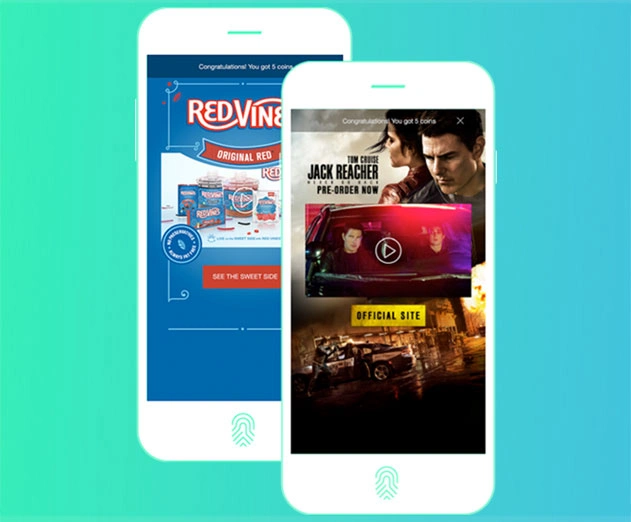
Verve covers advertising products for different sides of the market. Identify the exact buyer or publisher offering and avoid double-counting its Smaato-related destination as an unrelated competitor.
Review inventory quality, measurement coverage and operating requirements with your actual app or campaign. Company-level capability does not guarantee that every account receives every feature.
10. SmartyAds: programmatic buying or supply tooling
SmartyAds presents programmatic advertising technology. Check whether you need tools to buy ads, sell space in your app or run an advertising platform.
A small developer buying initial installs and an ad-tech operator choosing infrastructure need different evaluations. Confirm setup effort, contractual terms and measurement ownership before comparing costs.
11. Tapjoy: verify the current offerwall workflow
Tapjoy is included as an offerwall and rewarded-ad option, but we could not verify its current product destination. Confirm availability, payment terms and integration instructions before relying on it.
If you evaluate an offerwall, confirm current product documentation, user eligibility, reward delivery, dispute handling and policy requirements. Rewarded-ad participation must not be confused with buying favorable store reviews or manipulating ratings.
12. Publift: evaluate managed monetization fit
Publift presents a managed ad-monetization service. Verify its current support for your inventory type and scale before treating it as a direct substitute for a self-service mobile SDK.
Ask about onboarding criteria, revenue-share terms, reporting and the work the service takes over. Web publishing monetization and a mobile app integration can involve different products and requirements.
Build separate scorecards for buying and publishing
| Advertiser acquisition | Publisher monetization |
|---|---|
| Spend, qualified reach and attributed installs | Ad requests, fill, impressions and recognized revenue |
| Cost per first useful task or positive payment | Revenue per active user alongside experience quality |
| Cohort retention and payment maturity | Retention, latency, crashes and placement complaints |
| Attribution coverage and incremental value | Consent, SDK maintenance and payout reconciliation |
There is no universal CPI, eCPM or fill rate to expect. Use a bounded test in the actual country, platform, app category and format. Include integration and creative effort in the cost.
Prepare the destination before buying traffic
Make the store listing match the promise in your ad. The AppDrift screenshot editor can help you prepare that artwork. Check the selected template's Free or Pro label and any AI token cost before starting.
Use the marketing strategy guide to define one audience, budget and customer outcome. If downloads increase but useful work does not, investigate the promise and first session before scaling.
Frequently asked questions
Which mobile ad network is best?
Start with your goal: attract users through ads or earn revenue by showing ads in your app. Then compare country coverage, ad formats, setup and reporting for your app. No network is best for everyone.
What is the difference between CPI and eCPM?
CPI is acquisition spending divided by attributed installs under a stated definition. Publisher eCPM is revenue per thousand ad impressions. They measure different sides of the advertising transaction.
Are Smaato and Verve independent options in this list?
The Smaato site redirected to Verve’s publisher marketplace when checked September 11, 2026. Verify the current product and account terms rather than treating historical brand entries as separate independent vendors.